As a designer there is no better feeling when starting out on an exciting project than when you receive or have in your hands a clear descriptive design brief with examples and images as well as the wriggle room to be creative without it being too closed down.
We often get asked by our clients if they have provided enough information for the brief, from experience it is so varied between each client and their needs on that project.
There are some great ways in which to create the perfect design brief for your designers and here we have created a blog post to help our clients and future clients to help us as well as themselves to create a clear focus on where they wish to go with their project.
What is a design brief and how will it help you to have one?
A design brief is your road map for your designer, it’s the tool that will kick start the journey from A to B and the more detailed the brief the more detailed the route and thus the easier and clearer it becomes for you and your designer. It also acts as a clear direction for you and your business whilst creating the brief it will allow time to focus on the end goal and the needs and wants will soon come out of the woodwork onto paper. Time spent creating your brief could be spent looking at your direct competitors and seeing what they do well and how you may decide to do better allowing your designer to find your own unique stamp on the project.
Having a clear design brief no matter if you are hiring an agency or if you’re a professional producing a design for a client having a well written brief will be the determining factor over producing the best outcome for both parties. Communication is key in all aspects of design and at this beginning stage it is crucial for awareness and direction. It saves time for both of you and means you can confirm everything before the work begins.
The ultimate design brief outlines the goals and expectations of the client and highlights any problems they are looking to solve. It may be that the designer or agency takes part in the creation of the brief and a meeting is drawn up in which everyone catalogues the road map together. At Brand Picks Ltd we like to have meetings with our clients prior to starting our projects quite often over a video call to run through our pre drawn questionnaire. Our questionnaire focuses on challenging the thought process prior to starting as it highlights the areas that are often overlooked. We both like and need to be thorough as it’s imperative that our clients receive a design that is on point, meets goals and has the standout that it deserves.
What do I include in my design brief?
There is no set guide on how to draw up a brief as it is totally open and variable on your own specific project however there are certain aspects that a design brief should include:
A background story of who you are: This section is key to understanding the client, who they are and getting a deep connection to the expectations and wants of the brief. It is helpful to have a clear understanding of the company, the industry, the market and the needs of the brief. The better the background story the better the connection from designer to end client ensuring there is an understanding there. Here at Brand Picks Design this is one of the reasons we like to have a close call with our clients, to connect and ensure we are delivering a design that hits all the right notes and all in the right order.
Target Audience: We have worked on hundreds of briefs and can honestly say that very few have had the same target audience. Each one has nearly its own specific target market which is needed to be able to tailor a brand with a direct focus. The broader the audience the more a designer needs to think about broadening the design and ensuring it’s a one size fits all. When you have a more focussed approach on a target audience then there can be a lot more room for playful targeting to age, gender, habits, needs, preferences, trends and more.
The deliverables: From both the client and the design/agency side setting out the deliverables during the brief phase is a very good idea to ensure that there is a clear understanding of what will be being produced within that given project and timescale. So often there is a blurred line when it comes to this, and it can encourage scope creep in which a project begins to go beyond its expectations on one side. To ensure that your designer is producing the items you need it is a good idea to include them so there is a clear focus allowing for the right amount of time set aside for the brief.
The competition: Creating a breakdown of the competitors or the companies that operate within your targeted market space is a great way for the design process to ensure that you can stand out from them as well as have an edge. There is also a very key point in ensuring that you are correctly placing yourself within a market and that you are a market fit both visually as well as communicatively.
The budget and timescale: As much as we set out the expected days and hours required for a project it is always good to get a flavour for the spend of budget and timeframe on a project to ensure that what is being created has the best possible outcome for both parties. The designer wants to ensure they are not too rushed, and the client wants to ensure they are receiving exceptional work. Having too little time can hinder the design process and so by laying out the budget early it allows for a negotiation of both time and what can be delivered within that time frame on budget ensuring both are happy. It may be that the budget allows for more work to be produced but either way at this stage it is a great start in knowing what can work and within how long.
The end goal: This is the moment from a designer’s perspective when you almost want to read a brief from back to front. It is the most important aspect of the brief but falls last during the build-up of information that forms its picture. It’s the leading reason for the brief and is the flag in your road map. Having the end goal written down is key in ensuring your design work is doing what you require it to. Is it hitting your audience, does it have the core desires you wished for, does it pass the customer focus groups, does it stand out from amongst your competitors and so many more questions may be raised. These questions are the markers for your goals. Listing them in your brief will nail it all down for both parties.
The summary: Adding a summary of the brief is a great way to help a designer to look quickly at the document and recap on the lengthy information. It’s a great way to bullet point the key areas and highlight the areas of focus. This results in an easy overview of the brief whilst it’s in progress. It’s also great to sum it all up!
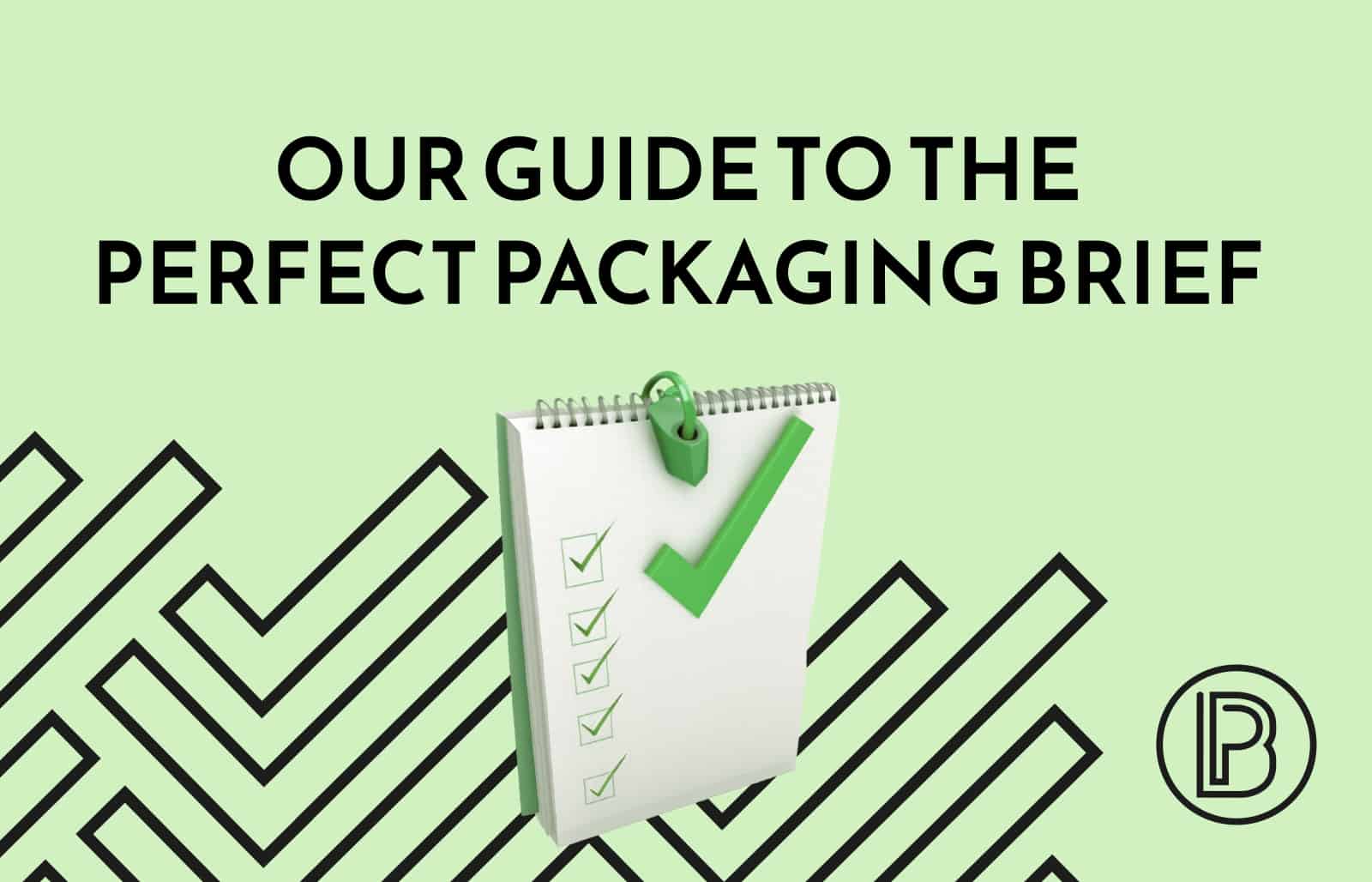
Now we have helped to put together a design brief, here is a step by step of how best to break it down:
- Start with an overview, a background story of who you are.
- Write down clearly your target audience.
- What are the deliverables or items you wish to have once complete.
- A clear list of your surrounding competition within your market.
- Set out a clear budget for the brief as well as the expectations.
- Discuss and breakdown the best timescales for the project.
- Ensure you have a clear list and focus on the end goal.
It is always a good idea to include visual examples of pictures or images that you have seen that you like which will help a designer to understand your likes and dislikes.
And so finally we would conclude to explore with your brief and be an open book. It’s always fantastic to have a brief that allows for both creativity as well as a deep knowledge and understanding. The trust must be there for the client, a clear brief will help with this trust. From the designer’s perspective the allowance to roll with a brief that clearly sets out the navigational points is both welcoming and refreshing.
If you would like to discuss a brief or project with us or if you need us to help bring one together, we would certainly love to hear from you.
Get in touch today and ask for our free questionnaire which can help to build a picture for your brand as well as make a start on your project.